
Leaguesmart
The health & safety programme for all in our game
About leaguesmart
Whether you’re a coach, manager, referee or just a supportive parent, it’s important we all know how to best prepare and keep everyone safe. LeagueSmart is an online Health & Safety programme that better prepares our volunteers, supporters, and players for rugby league. Simply create a free SportTutor account and complete the LeagueSmart module.
Preparing to Play
Being properly prepared to play will help reduce injuries and improve performance. In this section you will find information, tools and resources that will support your team to be ready to play at their best.
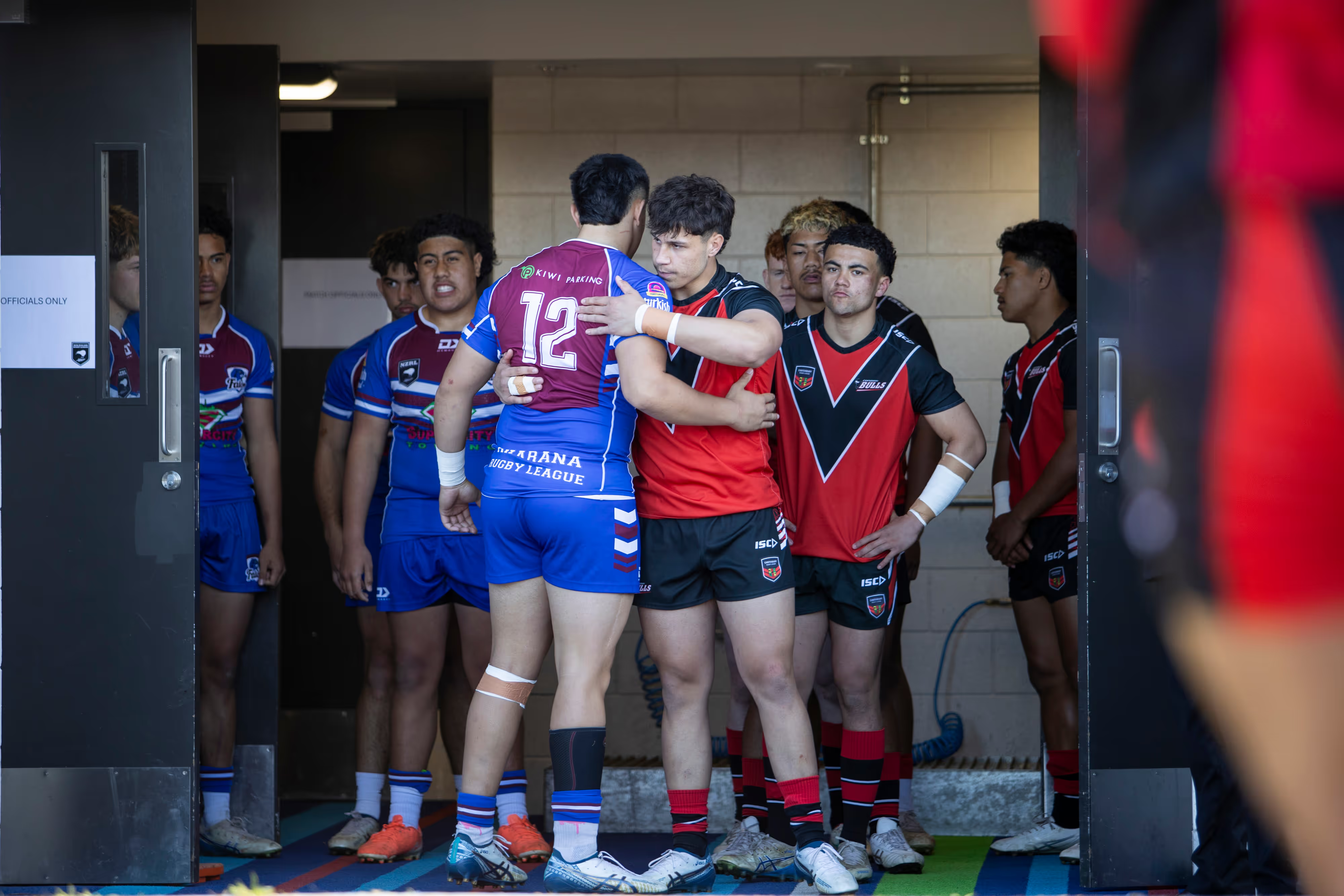
keeping safe
Kiwis love rugby league because it's fast, exciting and fun. We also want to ensure that our experiences are as safe as possible. Here, you will find information, tools and resources that will help keep all involved in rugby league safe.

MANAGING INJURIES
Although we can prepare well, injuries still happen from time to time. The Concussion Graduated Return to Play process must which aligns with the NZRL Concussion Policy must be followed, and includes helpful information on how to best support athletes through the recovery process.
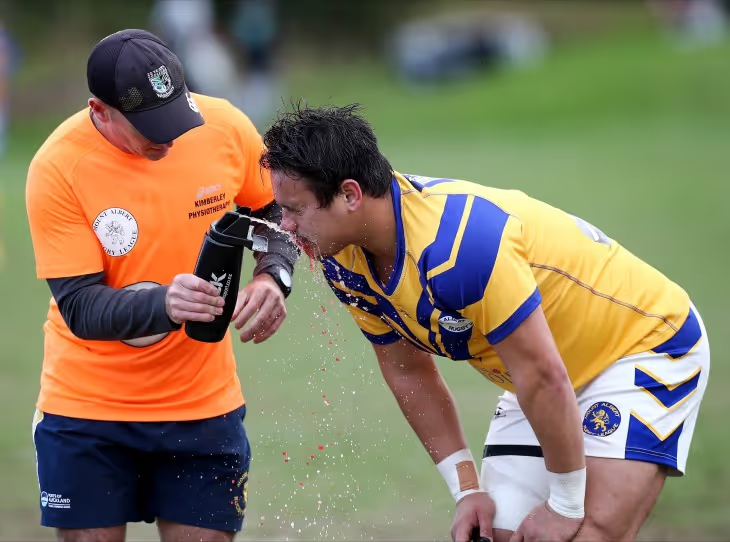
CONCUSSION
What is a concussion? How can you spot it? How do you return back to playing after a concussion? It's important everyone in our game knows how to recognise concussion, and what to do when one occurs.
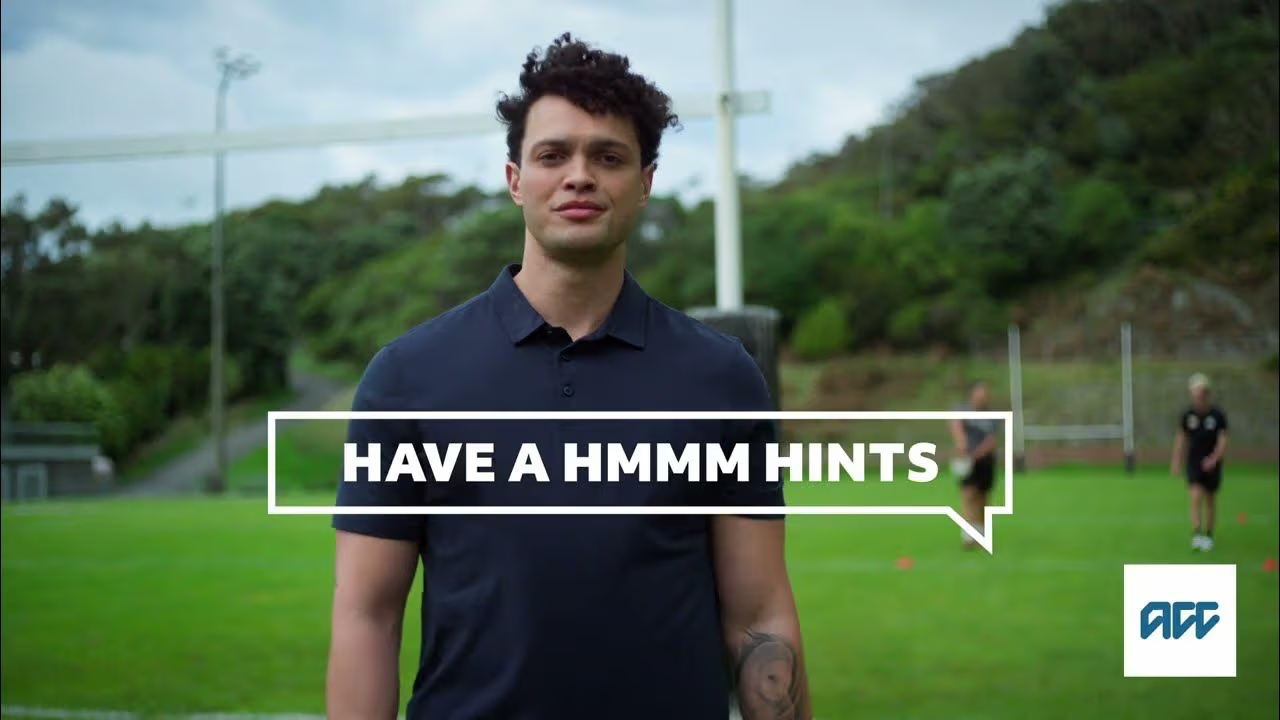
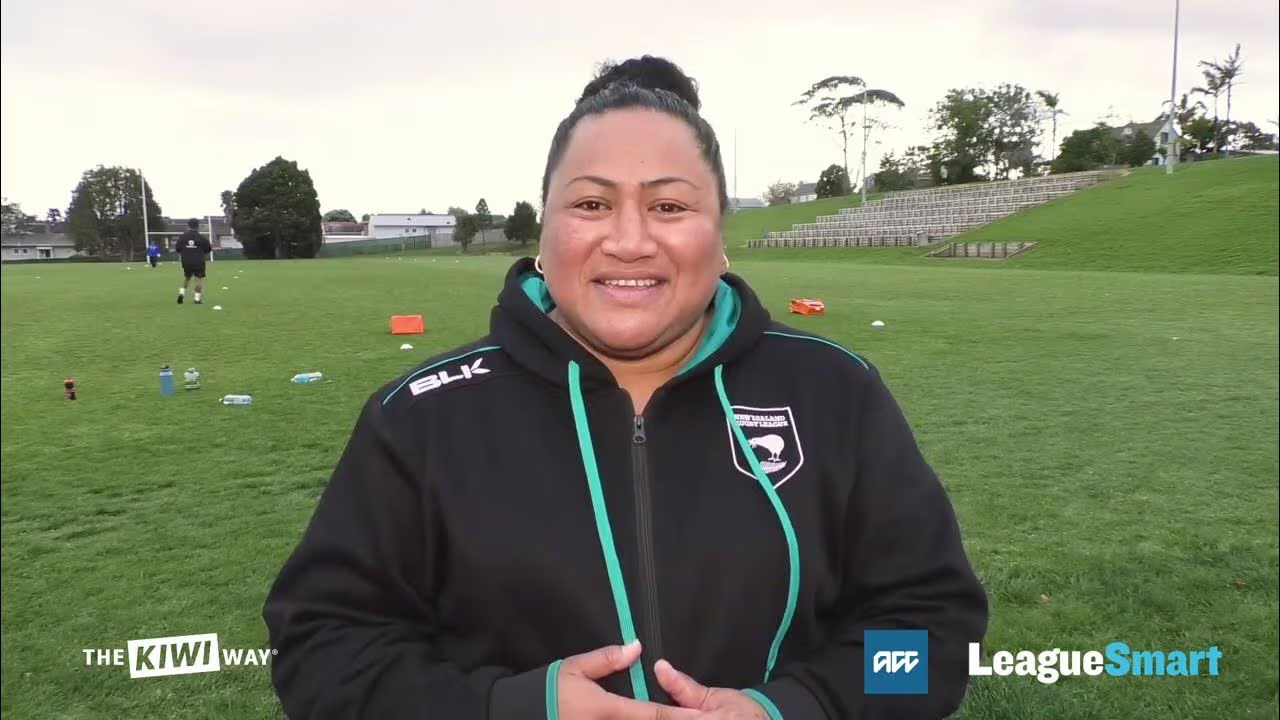
GUIDES & ADDITIONAL RESOURCES
ACC SportSmart Principles Guide

LeagueSmart Nutrition Guide
.avif)
LeagueSmart Warm Up Guide
All the NEWS. All the VIEWS.
All the ACTION.
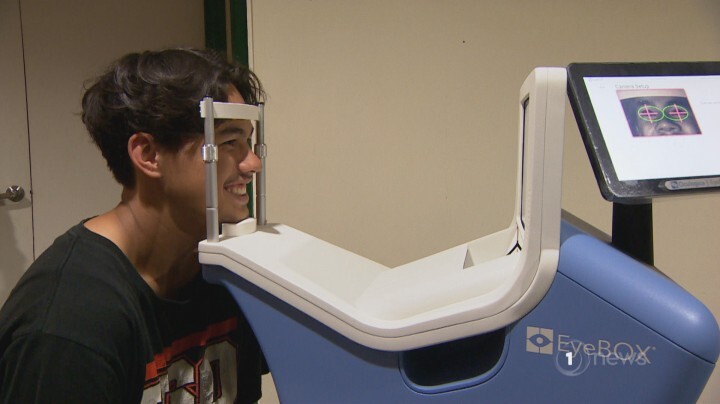
Northcote Rugby League Club invests in first-of-its-kind technology to tackle concussions
21 April 2021
Concussion numbers in grassroots rugby and league are growing year on year in New Zealand but unlike professional teams, local clubs don't have the same resources for around-the-clock testing and medical care.
However, one Kiwi company is changing the way clubs can help monitor the long-term effects of concussion with a new tool that takes just three minutes to deliver results.
Between 2010 and 2019, the number of ACC claims for concussion in rugby increased by 60 per cent, which former NRL player David Bhana said can be partly attributed to the approach to them at grassroots level.
“There’s a massive difference in attitude towards concussions in local football,” Bhana said.
“It’s more like, I’ll be right.”
Another issue though is monitoring concussions when they happen.
At club level, when a player suffers a head knock, they undergo a Scat-5 test which includes a series of questions like the date and where the concussed person is.
Some say the test is too repetitive and many already know what is going to be asked so other solutions are needed.
“There is an unmitted need for accurate and timely diagnosis of concussion head injury,” Dr Brian Jong told 1 NEWS.
The ones leading the way in that department are Northcote Rugby League Club, who are investing in a first-of-its-kind eye box by Kiwi company TBI Diagnostics.
The box is designed to help prevent long-term concussions and only takes three minutes with those under a concussion cloud asked to simply follow a moving picture for the duration to determine a baseline of their injury.
“The best solution we have is an educated guess so I guess we are trying to take away any guess work,” Vasco Kovacevic from TBI Diagnostics said.
After the test, the machine stores the data so the next time an athlete suffers a knock, they can monitor how serious it is.
“We previously would put a blanket on someone, saying 30 day suspension or six day suspension, but now we can now actually shorten some of them or sadly, in most cases, prolong them.”
Sad news for some but a great result for grassroots sport.